
Exploring the Relationship Between the Menstrual Cycle and the Neurodiverse Brain
May 4, 2026
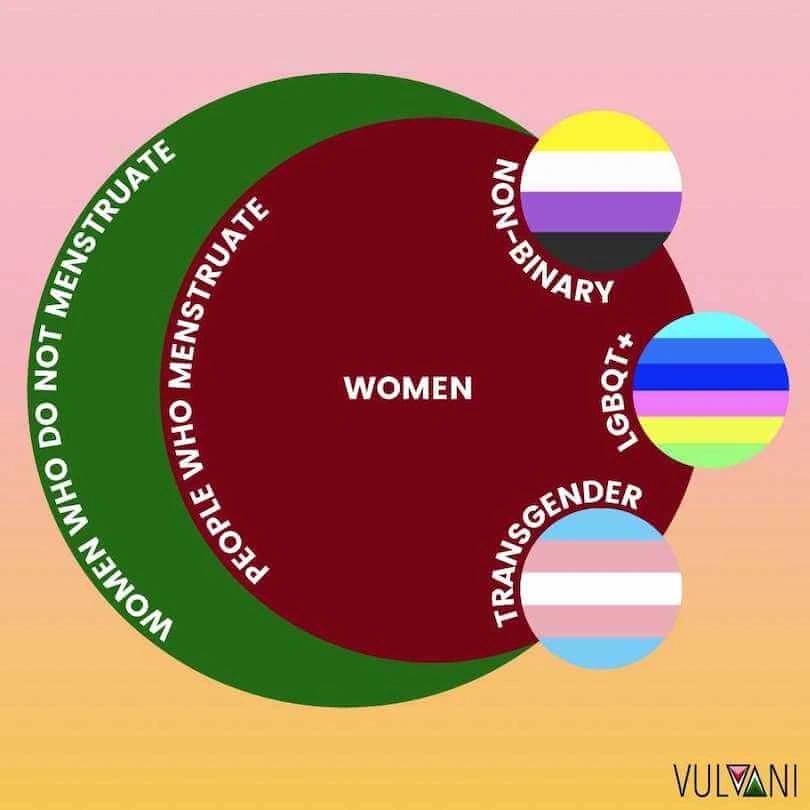
In exploring the relationship between the menstrual cycle and the neurodiverse brain, there’s a lot to hold at once. For a long time, people who menstruate have been left out of mainstream medical research, shaped by longstanding cultural dynamics that have minimized and invalidated these experiences (lest we forget, menstrual products weren't tested using real blood until 2023). While most people who menstruate are women, it’s important to acknowledge that menstruation is not exclusive to one gender identity. This conversation includes anyone who has a menstrual cycle.
The aforementioned historical lack of attention has real consequences. Many of the difficulties menstruating people face, and the relative lack of accessible, practical resources, stem in part from systems that have not prioritized or fully legitimized their experiences. These gaps are still present in the broader cultural awareness.
There’s a parallel here for neurodivergent individuals. Many people with ADHD, autism, and other forms of neurodiversity also report feeling dismissed or misunderstood within traditional medical systems. When you exist at the intersection of both being neurodivergent and menstruating, you’re often navigating an added layer of complexity. It can come with confusion, limited guidance, and a sense that you have to work harder to understand your own body.
But wait, there’s hope. As awareness of neurodiversity grows and research on menstrual health expands, we’re starting to see clearer connections between the two. Medical research validates the lived experiences of many And facilitates a broader and deeper understanding of the intersectional experience. For example, autistic individuals are more likely to report more painful periods and have higher rates of premenstrual dysphoric disorder (PMDD). These patterns point to something meaningful: hormones and neurobiology are interacting in ways that deserve attention.
This is where cycle awareness becomes especially useful.
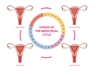
Many neurodivergent people benefit from structure, planning, and a sense of predictability. Understanding your menstrual cycle through its four hormonal phases can offer a way to anticipate changes in energy, mood, focus, and sensory needs. It doesn’t mean everything becomes perfectly manageable, but it can give you a general framework of how you exist in your body and when.
Here’s what this may look like for you:
Menstrual Phase (Bleeding Phase)
This is when estrogen and progesterone are at their lowest. It’s often associated with fatigue, low energy, and physical discomfort like cramping. If you’re neurodivergent, you might also notice increased sensory sensitivity, more difficulty with executive functioning, and a heightened experience of pain. Your nervous system may feel more easily overwhelmed.
This is typically a time to reduce demands where possible, prioritize rest, and be mindful of sensory input.
Follicular Phase (Post-Period)
As estrogen begins to rise, so does dopamine. Many people experience improved focus, clearer thinking, better emotional regulation, and more energy. For neurodivergent individuals, this phase can feel like a window of increased capacity.
If you’re someone who likes planning, this can be a helpful time to schedule tasks that require more cognitive effort or social engagement. It’s not about forcing productivity-it’s about working with what your body is already offering.
Ovulatory Phase (Mid-Cycle)
Estrogen peaks during ovulation, and this is often when mental clarity and energy are at their highest. Some people feel more socially engaged, confident, or motivated.
At the same time, for those with ADHD or autism, this increase can also come with heightened sensation-seeking or impulsivity. You might find yourself chasing stimulation more or taking risks you wouldn’t normally take. Being aware of this pattern can help you stay grounded in your decision-making without shutting down the positive aspects of this phase.
Premenstrual Phase (Luteal Phase)
This phase is marked by a sharp drop in estrogen and a rise in progesterone. For many neurodivergent individuals, this hormonal shift can feel destabilizing. You might notice increased irritability, anxiety, low mood, or difficulty concentrating. For some, symptoms can escalate quickly and feel intense.
This is also where PMDD can show up, particularly in autistic individuals, who have a higher prevalence of this condition. What you’re experiencing here is not an overreaction-it’s a physiological response.
During this phase, it can help to lower expectations, build in more support, and focus on regulation rather than output.
Cycle awareness isn’t about rigidly structuring your life around your hormones. It’s about having a reference point. For many neurodivergent people, having a general sense of what to expect can reduce the mental load of constant unpredictability.
Tracking your cycle and noticing your patterns can become a form of self-accommodation. It allows you to plan more intentionally, respond to your needs with more accuracy, and make sense of shifts that might otherwise feel confusing or overwhelming.
It can also help reduce shame.
Mood changes, sensory differences, and fluctuations in capacity are often dismissed or minimized, especially when tied to menstruation. But your cycle is a full-body, neurobiological experience. Recognizing that can help you move away from self-criticism and toward self-understanding.
There’s a wide range to how you show up across any given month. Learning that range, and working with it instead of in spite of it, can create more space for agency in decision making and more respect for the wildly impressive and complex metamorphosis your body is facilitating every 28 (ish) days. Learning more about your cycle is learning more about yourself, and isnt that what we’re all here for anyway?