
Aging with Intention: How Therapy Helps You Thrive in Your Later Years
February 5, 2026
When we hear the term “older adult,” many of us immediately picture someone else-someone with graying hair, perhaps using a walker, or dealing with physical limitations. But aging is far more than a set of stereotypes. In fact, ageism remains one of the last socially acceptable prejudices, often so deeply ingrained in our culture that we don’t even notice when we’re discriminating against others-or ourselves.
According to the American Psychological Association, it’s time to embrace a new concept of aging. It isn't a period of winding down; it is a profound phase of "becoming."
The Changing Face of Aging
The National Council on Aging highlights just how much the landscape of aging has shifted. We are no longer looking at a brief "retirement" period, but rather a substantial second act. Longevity is on the rise, with the average 65-year-old in 2022 expected to live nearly two more decades.
This added time isn't being spent in a rocking chair, either. Lifestyles are more active than ever; as of 2023, over 11 million Americans aged 65 and older were still fueling the economy, either working or actively seeking employment. Yet, a significant mental health gap persists. Despite these vibrant gains, roughly 83% of those who could benefit from mental health support don't seek it-frequently because societal stigma makes them feel that "toughing it out" is the only option.

Breaking the Myths
You might have heard (or even said) some of these common reasons for avoiding therapy:
"My parents did just fine without it."
"I don’t want to air my dirty laundry or relive the past."
"Change isn't possible at my age."
"Therapy is only for severe issues or a sign of weakness."
The truth? Therapy isn't about complaining or being "weak." It’s a tool for navigating the unique complexities of this life stage. Just as you would see a physical therapist for a knee injury to keep you walking, a mental health therapist helps you maintain the emotional flexibility needed to enjoy your life.

What Does Therapy Look Like for Older Adults?
It’s not just about the past; it’s about your present and your future. Modern therapy for older adults focuses on the dynamic shifts occurring right now.
Navigating Shifting Roles
As the family dynamic evolves, therapy provides a space to process the nuances of relationships with adult children and the joys or challenges of being a grandparent. It also helps couples navigate the "re-entry" phase of adjusting to a spouse’s retirement, which can often disrupt long-standing routines.
Identity and the Changing Self
Aging often requires a mental recalibration. Therapy helps you manage the emotional impact of a changing body and offers strategies for those still in the workforce navigating the complexities of a multi-generational workplace.
Finding Meaning and Purpose
This stage of life often brings heavy emotional weight, from processing grief to overcoming the quiet ache of loneliness. Therapy acts as a guide to help you move through these feelings, allowing you to discover a renewed sense of purpose and "what's next."
Finding Your Right Match
If you’re ready to explore therapy, finding the right "fit" is the most important step in the journey.
First, define your specific needs. Take a moment to consider your logistical and personal preferences. Do you find comfort in a face-to-face office setting, or do you prefer the convenience of virtual sessions from your own living room? Think about whether you’d like a therapist who incorporates specific elements like spirituality, mindfulness, or cognitive behavioral strategies into their practice.
Next, treat the first meeting like an interview. Use your initial consultation as an opportunity to be direct. Ask the therapist about their specific experience working with seniors and which treatment methods they find most effective for your concerns. A specialist will welcome these questions.
Finally, and most importantly, trust your gut. A strong therapeutic alliance is the single greatest predictor of success. As you speak with them, ask yourself: Do I feel heard? Do I feel truly understood? If you don't feel a sense of comfort and safety, it’s okay to keep looking until you find the person who feels like the right partner for your growth.
Aging mindfully means recognizing that it is never "too late" to seek support, find clarity, and live with purpose.

Meet Diana: A Specialist in Aging
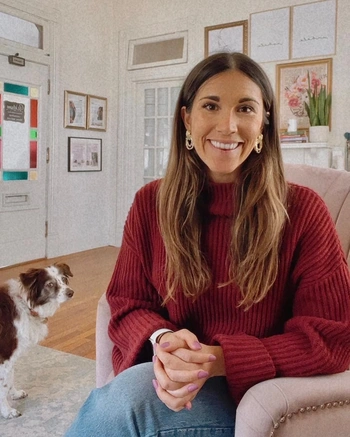
Diana is a therapist at Selva who absolutely loves working with older adults! She understands the unique hurdles of this life stage and has recently completed advanced trainings through the National Council on Aging (NCOA), PESI, and the Rush Center for Excellence in Aging.
Diana is dedicated to making therapy accessible. She is currently in the process of getting paneled with Medicare and is in-network with United Healthcare (UHC), Cigna, Aetna, Carelon, and Quest.
Whether you prefer the intimacy of an in-person session or the ease of a virtual call, Diana has immediate availability and can accommodate your needs.