Why You Keep Having the Same Argument (and What Your Nervous System Has to Do With It)
December 2, 2025
The Loop You Can’t Escape
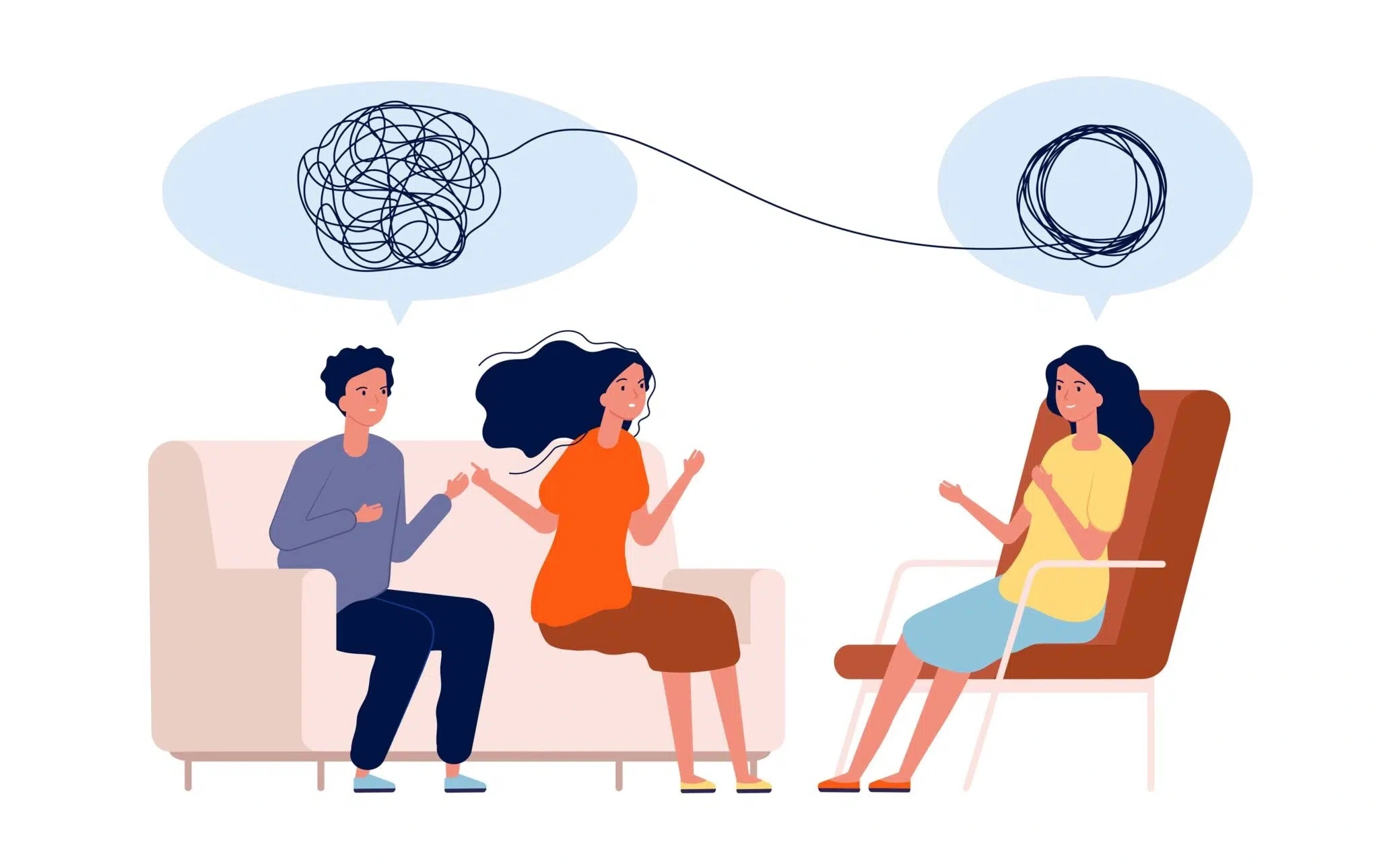
You know that argument that keeps repeating. The topic might change, but the pattern feels familiar. It often starts with a look, a sigh, or a certain tone. Then you are both reacting, saying things you do not mean, and feeling disconnected.
It is not because you do not love each other. It is because your nervous systems are doing what they were built to do: protect you.
What Happens in Conflict: Your Nervous System at Work
Our brains are wired for both connection and protection.
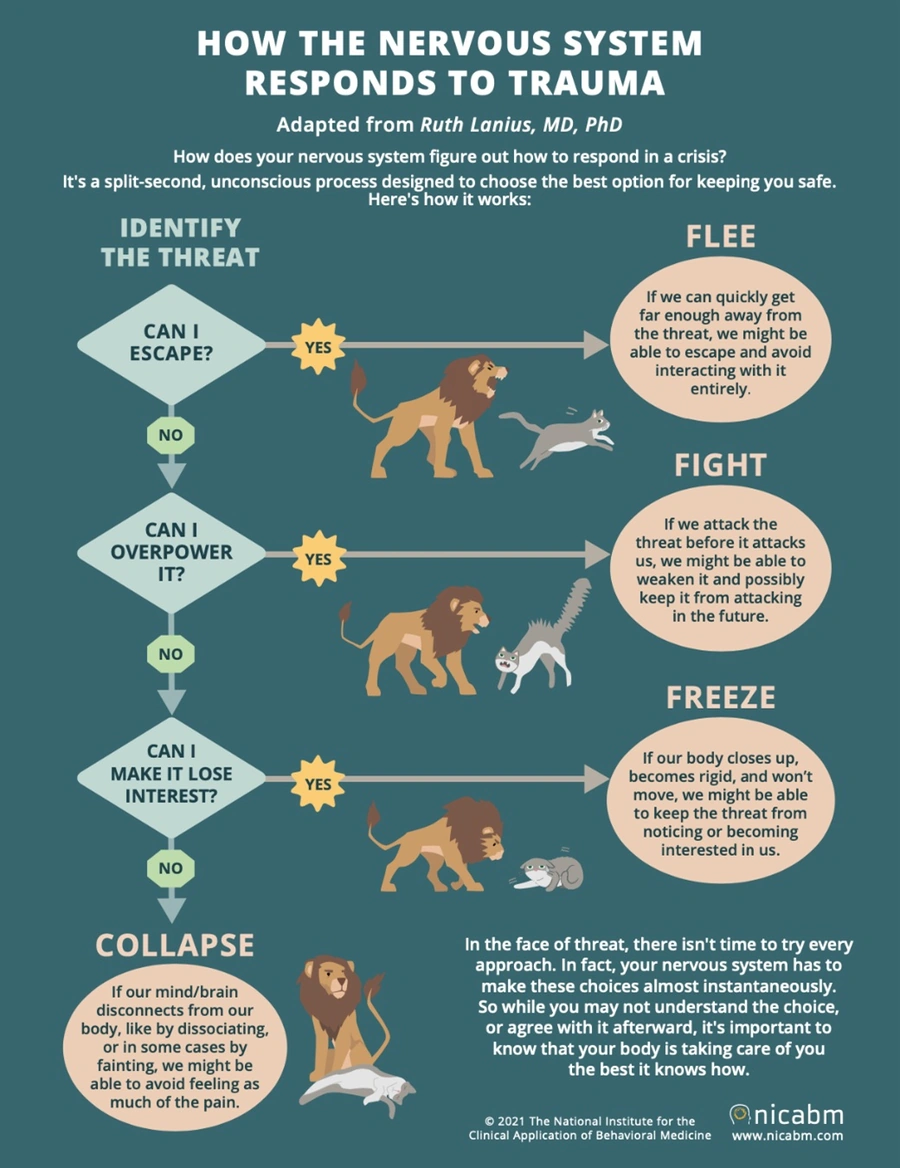
When something feels emotionally unsafe, like a sharp tone or silence, your body reacts before your thinking brain can respond.
Through an Interpersonal Neurobiology (IPNB) lens, conflict is not just bad communication. It is two nervous systems doing their best to stay safe.
If you tend to shut down, your body may be entering a freeze or collapse state.
If you get louder or start pursuing, that is often a fight response trying to reconnect.
Neither reaction is wrong. Both are your body’s way of saying, "Something here does not feel safe."
The Gottman Method: Why You Fall Into the Same Pattern
The Gottman Method, a research-based relationship therapy approach, calls this cycle "negative sentiment override." This is when your brain begins expecting danger from your partner instead of care.
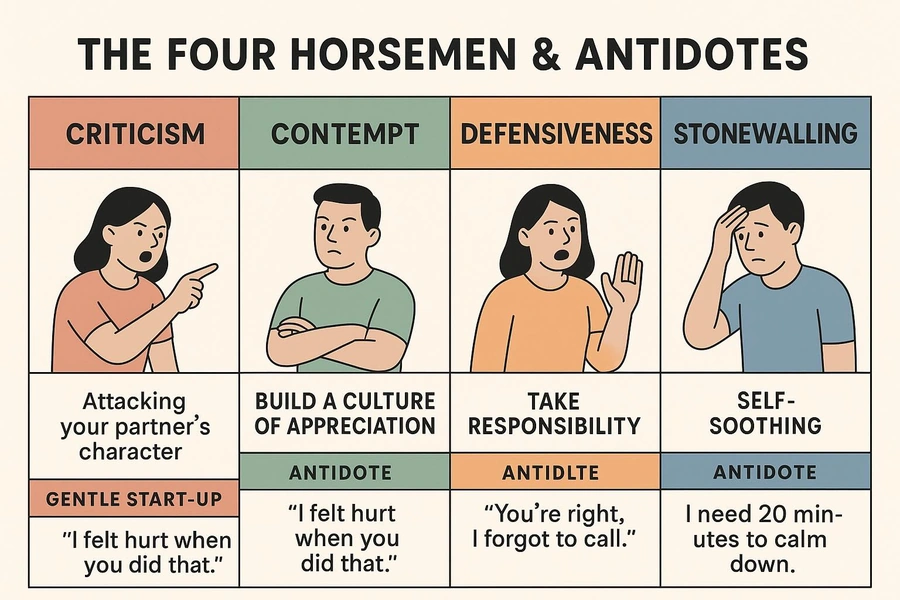
Once this switch happens, it is easy to fall into one of the Four Horsemen that predict relationship distress:
Criticism
Defensiveness
Contempt
Stonewalling
When your nervous system is in survival mode, the part of your brain that supports empathy and curiosity shuts down. It is not that you are bad at communicating. You are simply flooded.
Why Awareness Alone Is Not Enough
Many couples read communication books and still end up stuck in the same argument. That is because real repair has to happen in the body, not just through words.
Healing begins when you can notice and soothe your own activation before it takes over the conversation.
Try:
Taking slow, deep breaths to calm your system
Naming what is happening: “I am starting to feel flooded. Can we take a short break?”
Reconnecting after you settle with a soft touch or gentle look
These small actions help your nervous system create new pathways for safety and connection.
The IFS Perspective: Meeting Your Protective Parts
From an Internal Family Systems (IFS) perspective, every reaction you have in conflict comes from a part of you that is trying to protect something vulnerable.
That part might fear being unseen, unloved, or blamed. When you slow down and get curious, you often find tenderness beneath the reactivity.
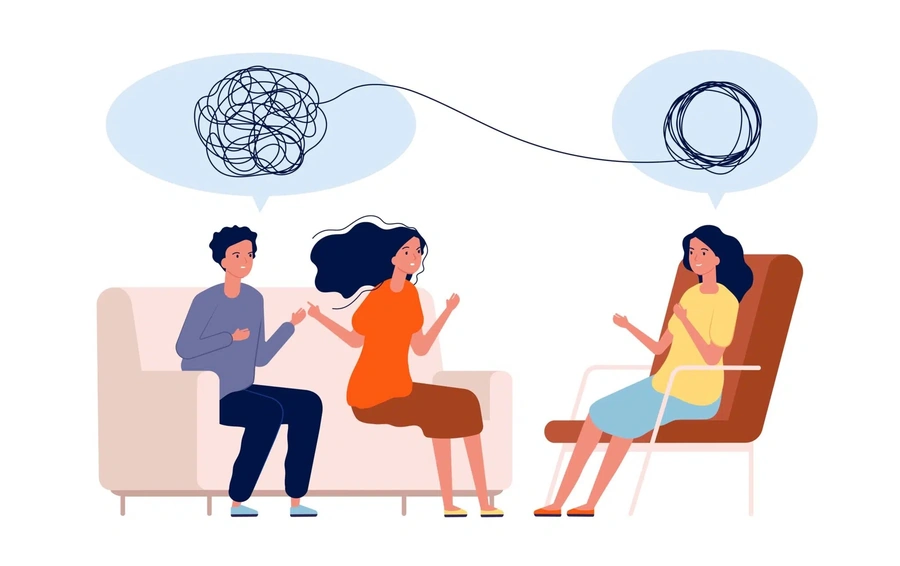
In couples therapy, I help partners:
Notice which part shows up during conflict (the pursuer, the fixer, or the leaver)
Understand what that part is protecting
Learn to speak from a calm, compassionate Self instead of from defense
When both partners can do this, the energy shifts from threat to care. The argument might still happen, but it feels different.
How to Practice a New Pattern
The next time you feel a familiar argument starting, try these small steps to interrupt the cycle:
Pause before you persuade. Feel your feet on the ground and take a few grounding breaths.
Name what is happening inside. “My chest feels tight. A part of me is scared we will not figure this out.”
Remember that both nervous systems are protecting. Yours and your partner’s.
Repair with care. Once you are calm, try: “Can we start over?” or “I want to understand you better.”
Even small shifts in nervous system awareness can create big changes in how safe you both feel.
Safety Before Strategy
At Selva Wellness Collective, we do not see conflict as failure. We see it as an invitation to deeper safety and understanding.
When couples learn to work with their nervous systems, arguments become moments for healing instead of proof of disconnection.
If you and your partner are ready to explore this kind of relational healing, we offer:
Couples Intensives
Premarital Series
Ketamine-Assisted Couples Sessions
Each session is designed to help you reconnect with curiosity, safety, and compassion.