

Dry Needling for Pain Management and Trauma Recovery: Understanding the Mind-Body Connection
July 1, 2026
When people think about pain, they often think about an injury-a sore back, a tight neck, or a muscle that just won't relax. But pain is seldom that simple.
Many people are surprised to learn that pain can be influenced not only by physical injuries, but also by stress, emotional experiences, and the way our nervous system responds to life's challenges. In fact, long after an injury has healed, the body can continue to hold onto tension, protective patterns, and pain signals.
This is where dry needling can be a valuable part of the healing process.
While dry needling is commonly used to relieve muscle pain and improve movement, it may also help address some of the physical effects that chronic stress and trauma can leave behind. By working with both the body's tissues and the nervous system, dry needling offers a distinctive approach to helping people move, feel, and function better.
What Is Dry Needling?
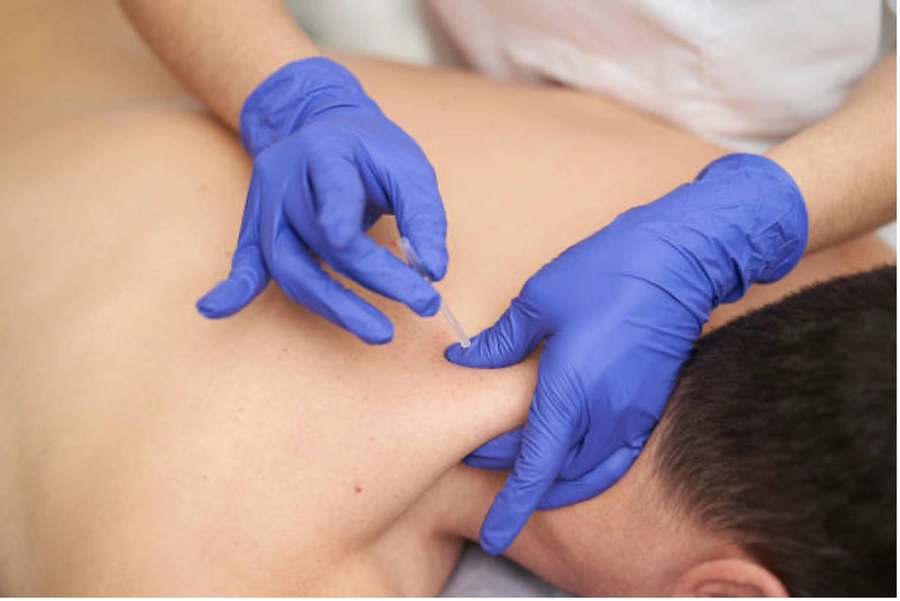
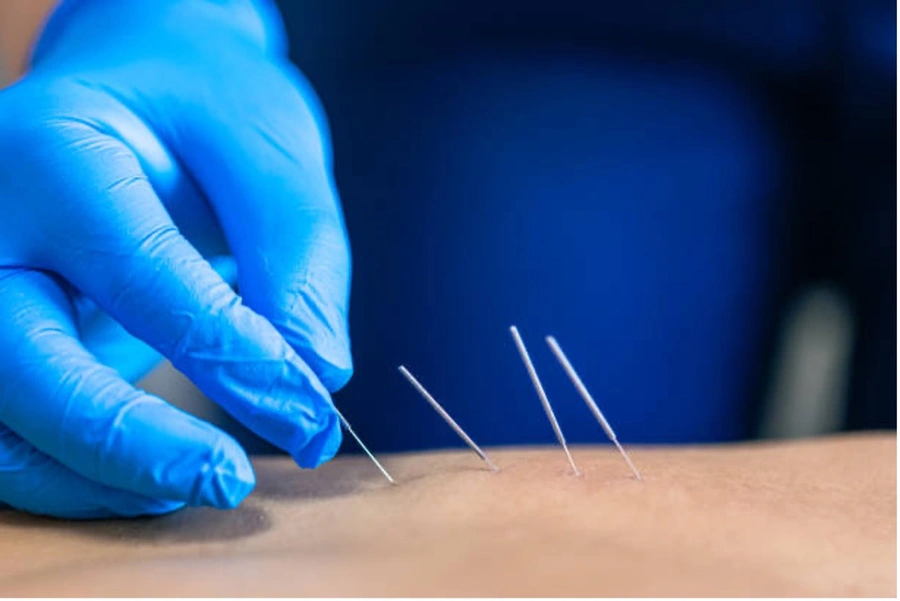
Dry needling is a specialized treatment that uses very thin, sterile needles to target tight muscles, trigger points, and areas of tension within the body.
Unlike acupuncture, which is based on traditional Chinese medicine, dry needling is rooted in modern anatomy, neuroscience, and musculoskeletal medicine. Here are a few simple goals: reduce pain, restore movement, and help the body function more efficiently.
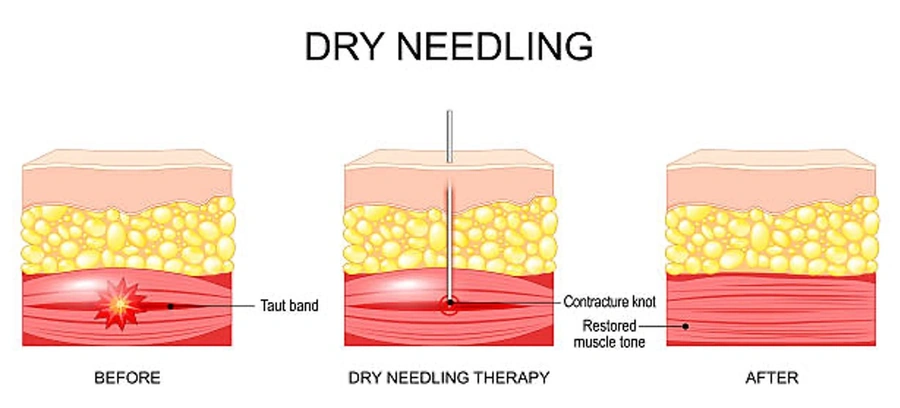
When a needle is placed into an area of dysfunction, it can help relax tight muscles, improve circulation, reduce pain signals, and stimulate the body's natural healing response.
Many people describe feeling looser, lighter, or more mobile after treatment.
Why Does Pain Sometimes Stick Around?
One of the most frustrating experiences for people living with chronic pain is hearing that their injury has healed, yet they still hurt.
The reason is that pain doesn't only come from damaged tissues. Over time, the nervous system can become highly sensitive and continue sending pain signals even when there is no longer a significant physical threat.
This process, known as central sensitization, is often seen in conditions such as:
- Chronic neck and back pain
- Fibromyalgia
- Headaches and migraines
- TMJ dysfunction
- Persistent musculoskeletal injuries
Dry needling may help calm these ongoing pain patterns by:
- Releasing trigger points and muscle tension
- Improving blood flow and oxygen delivery
- Reducing inflammation
- Supporting healthier movement patterns
- Influencing how the nervous system processes pain
Research continues to show that dry needling can affect not only the tissues being treated, but also the brain and nervous system's overall perception of pain.
Trauma Doesn't Just Affect the Mind-It Affects the Body
When we hear the word "trauma," we often think of emotional symptoms like anxiety, depression, or post-traumatic stress. But trauma frequently shows up in the body as well.
Many people carry physical tension long after a stressful or traumatic experience has passed. The body learns to protect itself, and sometimes those protective patterns become stuck.
This can look like:
- Constant muscle tightness
- Jaw clenching
- Neck and shoulder pain
- Pelvic floor tension
- Digestive issues
- Sleep difficulties
- Persistent pain without a clear physical explanation
In many cases, the nervous system remains on high alert, operating in a state of fight, flight, freeze, or fawn. While these responses are designed to keep us safe, they can become exhausting when they persist for months or years.
How Can Dry Needling Help?
It's important to understand that dry needling is not a treatment for trauma itself. It doesn't replace therapy, counseling, or mental health care.
However, it can be a powerful complement to a comprehensive treatment plan by helping address some of the physical ways trauma is stored and expressed in the body.
Increasing Awareness of Tension Patterns
Many people don't realize how much tension they're carrying until they begin treatment.
Dry needling can help bring attention to areas that have been chronically tight or guarded, allowing patients to better understand how stress may be affecting their bodies.
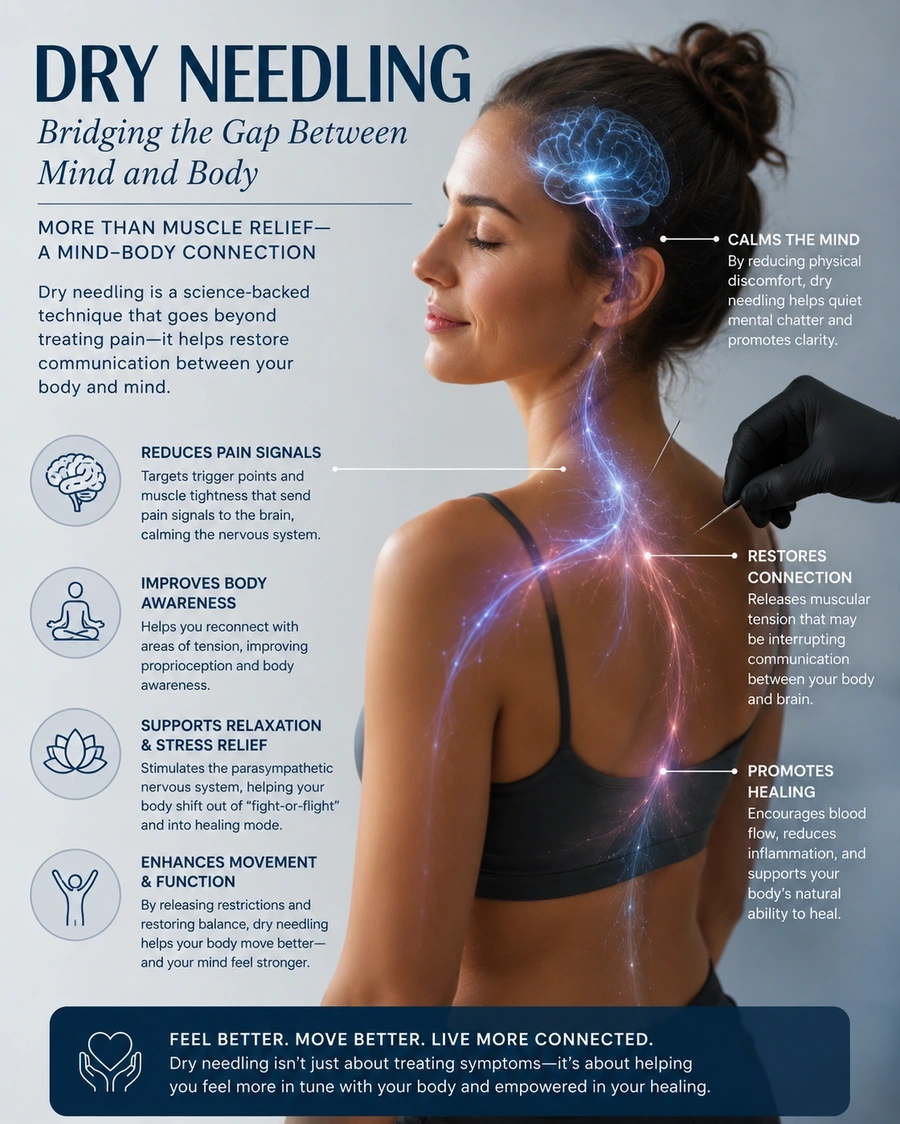
Supporting Nervous System Regulation
The nervous system is constantly receiving information from the body.
When dry needling stimulates sensory receptors within muscles and connective tissue, it may help encourage a shift away from a heightened stress response and toward a more relaxed, restorative state.
For some people, this creates a noticeable sense of calm and relief.
Releasing Protective Muscle Guarding
After injury, stress, or trauma, muscles often remain contracted as a form of protection.
While this response can be helpful in the short term, long-term muscle guarding can contribute to pain, stiffness, and limited movement.
Dry needling may help the body let go of these patterns, allowing movement to feel easier and more natural.
Encouraging Mind-Body Reconnection
One of the goals of trauma-informed care is helping individuals reconnect with their bodies in a safe and supportive way.
When performed thoughtfully and collaboratively, dry needling can become part of that process by helping patients tune into physical sensations, recognize tension patterns, and develop greater body awareness.
Why Trauma-Informed Care Matters
Every person's experience with pain and trauma is different.
For some individuals, receiving treatment can feel vulnerable. That's why a trauma-informed approach is so important.
A trauma-informed practitioner will:
- Clearly explain each step of treatment
- Ask for consent throughout the session
- Respect personal boundaries
- Monitor both physical and emotional responses
- Create a safe, supportive environment
- Adjust treatment as needed
Healing happens best when people feel heard, respected, and actively involved in their care.
Dry Needling Works Best as Part of a Bigger Picture
While dry needling can be highly effective, it is rarely a stand-alone solution.
The best outcomes often occur when it is combined with other evidence-based approaches, including:
- Occupational/physical therapy and corrective exercise
- Breathwork and relaxation strategies
- Mindfulness practices
- Counseling or psychotherapy
- Yoga or Pilates
- Sleep optimization
- Stress management techniques
Pain is complex, and recovery often requires addressing both the body and the nervous system together.
What You Can Expect After Treatment
After a dry needling session, many people report:
- Less pain and muscle tension
- Improved mobility
- Better body awareness
- Increased relaxation
- Greater ease with everyday activities
Some people experience mild soreness similar to what you might feel after a workout, while others notice emotional responses as tension begins to release. Both experiences can be completely normal and should always be discussed with your healthcare provider.
Looking Forward
As we continue learning more about pain science, one thing is becoming increasingly clear: the body and mind are deeply connected.
Dry needling offers a unique way to address pain through the nervous system while helping restore movement, function, and overall well-being. Although it is not a cure for trauma, it can be a valuable piece of a larger healing journey.
For many people, healing begins when they realize their pain is not just about muscles or joints-it's about understanding how the entire body responds to life's experiences. By addressing both the physical and neurological aspects of pain, dry needling can help support greater comfort, resilience, and recovery.
Curious if dry needling would be right for you? Feel free to reach out!
Disclaimer: This article is for educational purposes only and should not be considered medical advice. Individuals experiencing chronic pain, trauma-related symptoms, or other health concerns should consult a qualified healthcare professional to determine the most appropriate treatment approach for their specific needs.
References:
Dommerholt, J. (2011). Dry needling-Peripheral and central considerations. Journal of Manual & Manipulative Therapy, 19(4), 223-227.
Fernández-de-las-Peñas, C., Nijs, J., Trigger point dry needling for the treatment of myofascial pain syndrome: Current perspectives within a pain neuroscience paradigm. Journal of Pain Research.
IASP (International Association for the Study of Pain). (2021). Chronic Pain Fact Sheets and Educational Resources.
Levine, P. A. (1997). Waking the Tiger: Healing Trauma. North Atlantic Books.
Nijs, J., Torres-Cueco, R., van Wilgen, C. P., et al. (2014). Applying modern pain neuroscience in clinical practice: Criteria for the classification of central sensitization pain. Pain Physician, 17(5), 447-457.
Porges, S. W. (2011). The Polyvagal Theory: Neurophysiological Foundations of Emotions, Attachment, Communication, and Self-Regulation. W. W. Norton & Company.
SAMHSA. (2014). SAMHSA's Concept of Trauma and Guidance for a Trauma-Informed Approach. U.S. Department of Health and Human Services.
van der Kolk, B. A. (2014). The Body Keeps the Score: Brain, Mind, and Body in the Healing of Trauma. Viking.
Woolf, C. J. (2011). Central sensitization: Implications for the diagnosis and treatment of pain. Pain, 152(3 Suppl), S2-S15.