Shifting the Lens: Moving from Pathology to Neurodiversity
April 7, 2026
For most of us, the way we understand our own minds was decided long before we were born. We were born into a "Master Narrative" that treats the human brain like a piece of factory machinery: there is a standard-issue model, and any variation from those factory settings is treated as a mechanical failure. In her seminal work, Neuroqueer Heresies, Dr. Nick Walker invites us to stop trying to "repair" ourselves and instead recognize that the factory itself was built on a lie.
The Myth of the "Normal" Brain
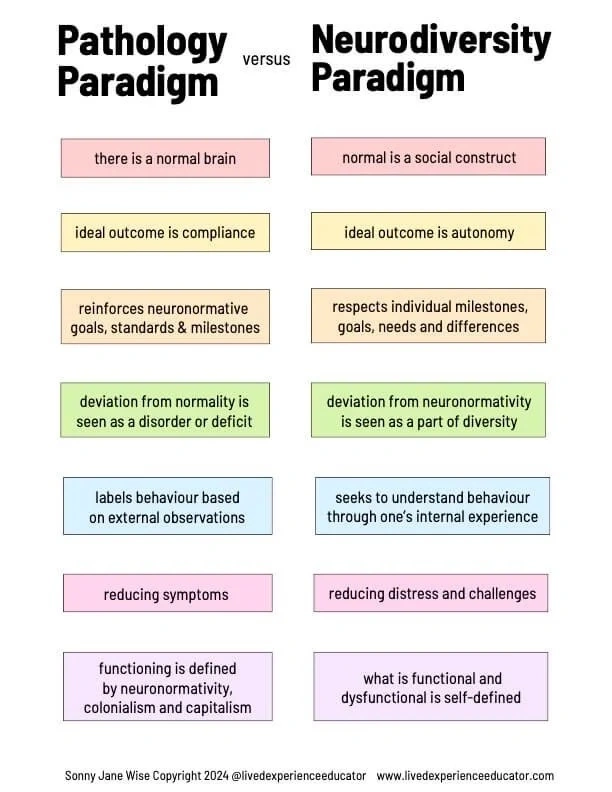
This dominant story is what Walker calls the Pathology Paradigm. It’s the invisible water we’ve been swimming in for centuries. Under this lens, there is a "right" way to think, speak, and exist. If your brain doesn’t follow the standard script-if you’re Autistic, ADHD, or otherwise divergent-the Pathology Paradigm labels you as "disordered."
The tragedy of this perspective isn't just the labels; it’s the goal. When we view a person through the lens of pathology, the ultimate "success" is to make them indistinguishable from everyone else. We spend billions on "treatments" designed to suppress natural behaviors, like stimming or non-linear communication, all in an attempt to drag a beautiful, divergent mind back toward an imaginary center called "normalcy."
A Radical Reframing
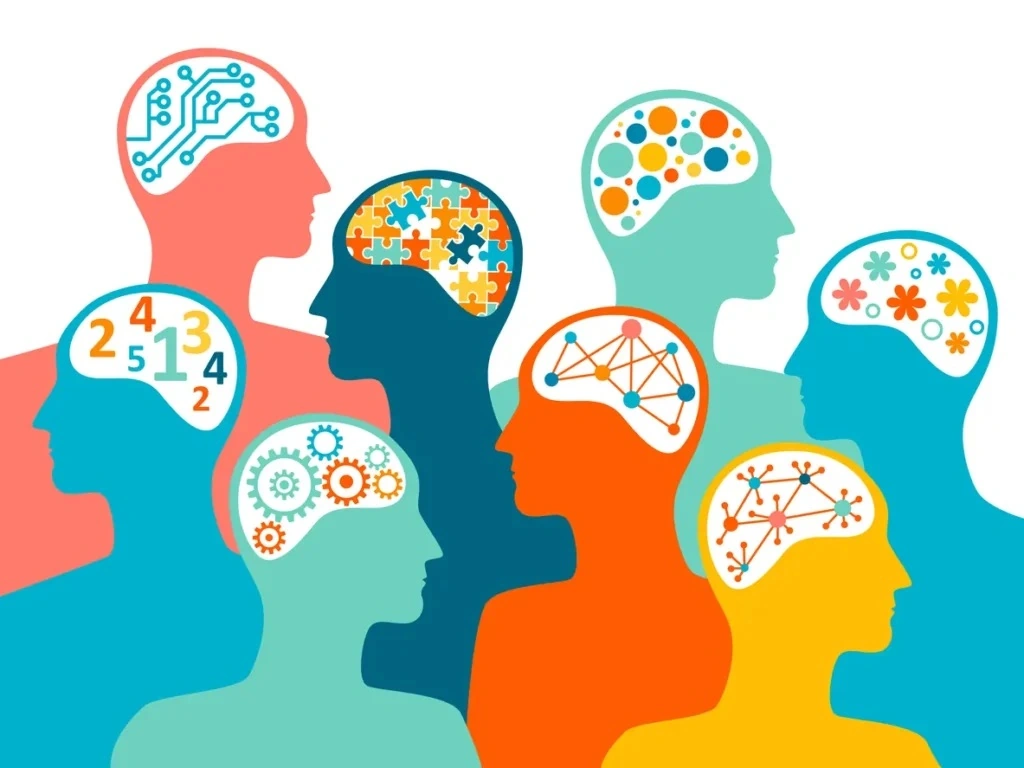
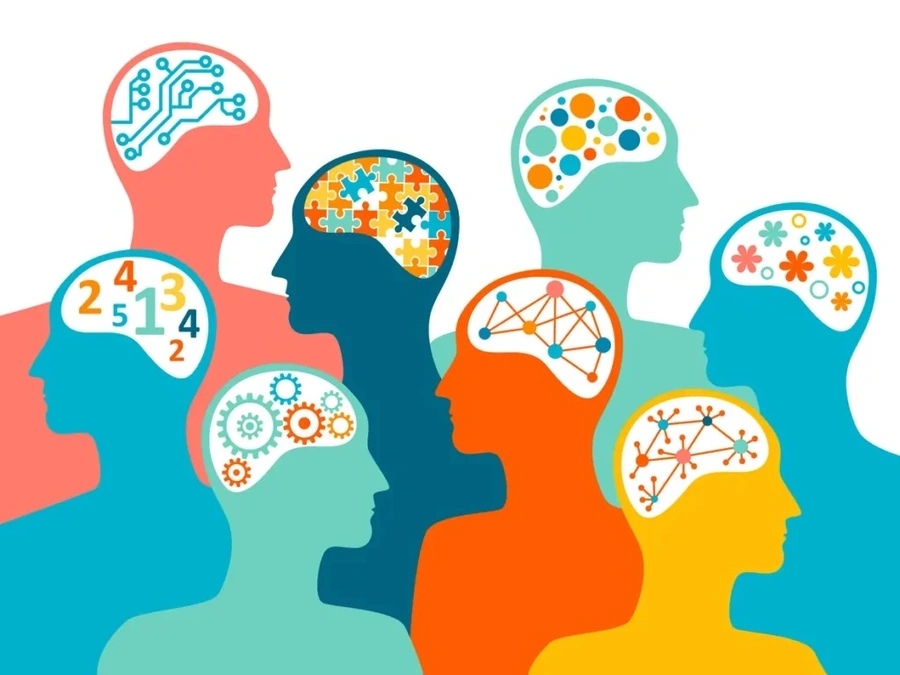
But what if "normal" was never the goal? Walker suggests that we are currently living through a paradigm shift as profound as the Copernican revolution. The Neurodiversity Paradigm starts with a simple, biological fact: humanity is neurodiverse. Just as a rainforest thrives because of its vast array of species, the human race thrives because of the vast array of ways our brains process reality.
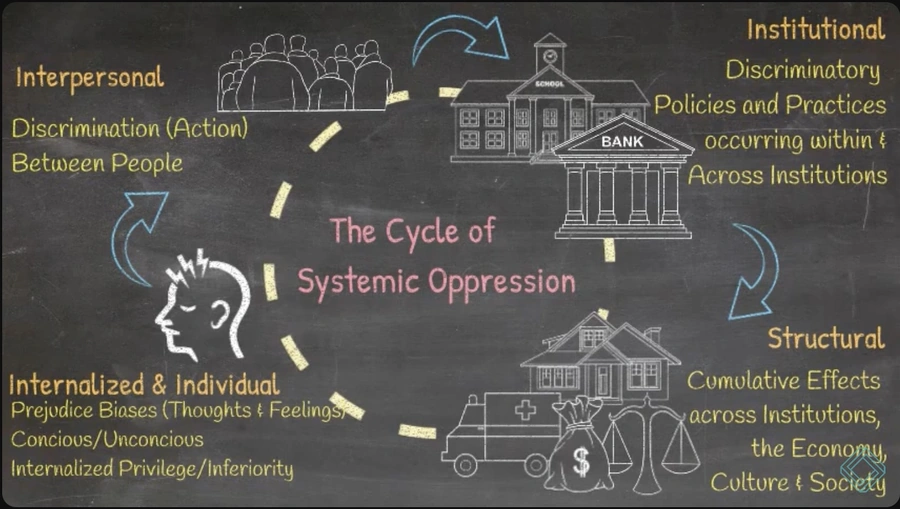
When we move into this new paradigm, we stop looking at a neurodivergent person as a "broken" version of a "normal" person. Instead, we see a unique individual who is being marginalized by a society built for a specific, narrow type of mind. The "disability" isn't located inside the person’s skull; it exists in the friction between their authentic self and a world that demands neuronormativity.
From Acceptance to "Neuroqueering"
This isn't just about being "nice" or "inclusive." Walker’s work goes a step further into the realm of Neuroqueer possibilities. To "neuroqueer" is to actively subvert the social scripts that tell us how we’re supposed to act. It’s an act of liberation. For an Autistic person, this might mean choosing to stim in public, refusing to perform "eye contact" just to make others comfortable, or reclaiming their deep interests as a source of joy rather than a symptom to be managed.
By stepping out of the Pathology Paradigm, we stop trying to "cure" the very things that make us who we are. We begin to see that the "heresy" isn't being different-the real heresy is the belief that any human being is defective simply for existing as their authentic self.
The Postnormal Future
Walker points us toward a "postnormal" future. This isn't a world where everyone is the same, but a world where the concept of "normal" has finally been retired. In this future, we don't ask how to fix a person to fit the world; we ask how to fix the world to fit the beautiful, messy, and infinite diversity of the human mind.
The shift from pathology to neurodiversity is more than a change in vocabulary. It is a reclamation of our right to exist, a refusal to be pathologized, and a celebration of the "heretical" idea that every mind is a valid way to be human.